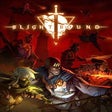
Team-based dungeon crawler with hand-painted visuals and class focus
Blightbound, from Ronimo Games, sends three heroes into the Blight to reclaim corrupted lands. It plays as a cooperative dungeon crawler where players coordinate class abilities across Warriors, Assassins, and Mages to solve puzzles, defeat bosses, and recover fallen allies. Features include three-player local and online play, cross-play, a roster of more than 20 narrated heroes, loot, crafting, and refuge expansion. Designed for cooperative action-RPG fans who value strict class roles and steady progression.
What kind of game is this and what do you actually do?
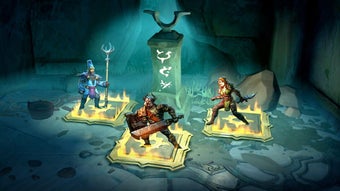
So, you enter a dark fantasy setting consumed by a corrupting fog and guide a small party through linear dungeons. The core loop asks you to clear rooms, trigger switches, and confront bosses while using class abilities in specific roles. Success depends on role synergy: Warriors absorb damage, Assassins deliver burst, and Mages supply support. Recruiting narrated heroes expands options and alters party composition over time.
Does it support multiplayer and how does that change play?
Local and online three-player matches are the primary mode, and the design enforces a single tank, damage, and support slot per party. Cross-play connects PlayStation 4, Xbox One, and PC players, and AI bots fill empty slots for solo sessions. Some players report the strongest sessions occur with a steady group, while solo runs can accentuate repetitive encounters when bots replace human teammates.
What does the game look and feel like in presentation?
Thus, the title uses a blended visual approach: hand-painted 2D character sprites set inside 3D environments with real-time lighting, producing a distinct 2.5D aesthetic. The world reads clearly at a glance, and combat telegraphs attacks via readable animations. Presentation is a major draw; the art style and stage lighting create contrast between characters and hazardous scenery without relying on complex HUD elements.
How steep is the learning curve and what keeps you returning?
Progression centers on loot, item crafting, hero leveling, and refuge expansion, which lengthen play sessions and encourage replay. The class rules demand mastery of specific roles, so new players invest time to understand ability interactions. Replayability arises from the large hero roster and progression systems, though repeat dungeon structure and solo pacing can reduce variety for players who prefer constantly shifting objectives.
Best for organised co-op players; less suited to solo variety seekers
For players who prioritise coordinated party tactics and long-term character collection, this title delivers satisfying role depth and visual personality. Solo-focused players who expect varied, constantly changing encounters may find runs grow repetitive over time. Pick it if you enjoy scheduled cooperative sessions and gradual progression; pass if you prefer single-player unpredictability and rapid scene-to-scene change.